Transforming rehabilitation through smart, connected technology
A smarter way to support recovery
Traditional rehabilitation can be difficult to review once a patient leaves the clinic. Slider helps bridge this gap by providing guided home exercises, interactive games and recorded exercise information.
During use, Slider records heel displacement and exercise participation. Its software calculates an estimated knee range-of-motion value for exercise feedback and progress tracking. Authorised healthcare professionals may review exercise participation and progress trends remotely between appointments. Slider does not directly measure knee-joint angle or muscle strength, and its displayed values are not intended for diagnosis or treatment decisions.
During use, Slider records heel displacement and exercise participation. Its software calculates an estimated knee range-of-motion value for exercise feedback and progress tracking. Authorised healthcare professionals may review exercise participation and progress trends remotely between appointments. Slider does not directly measure knee-joint angle or muscle strength, and its displayed values are not intended for diagnosis or treatment decisions.
Built for patients, clinicians, and healthcare systems
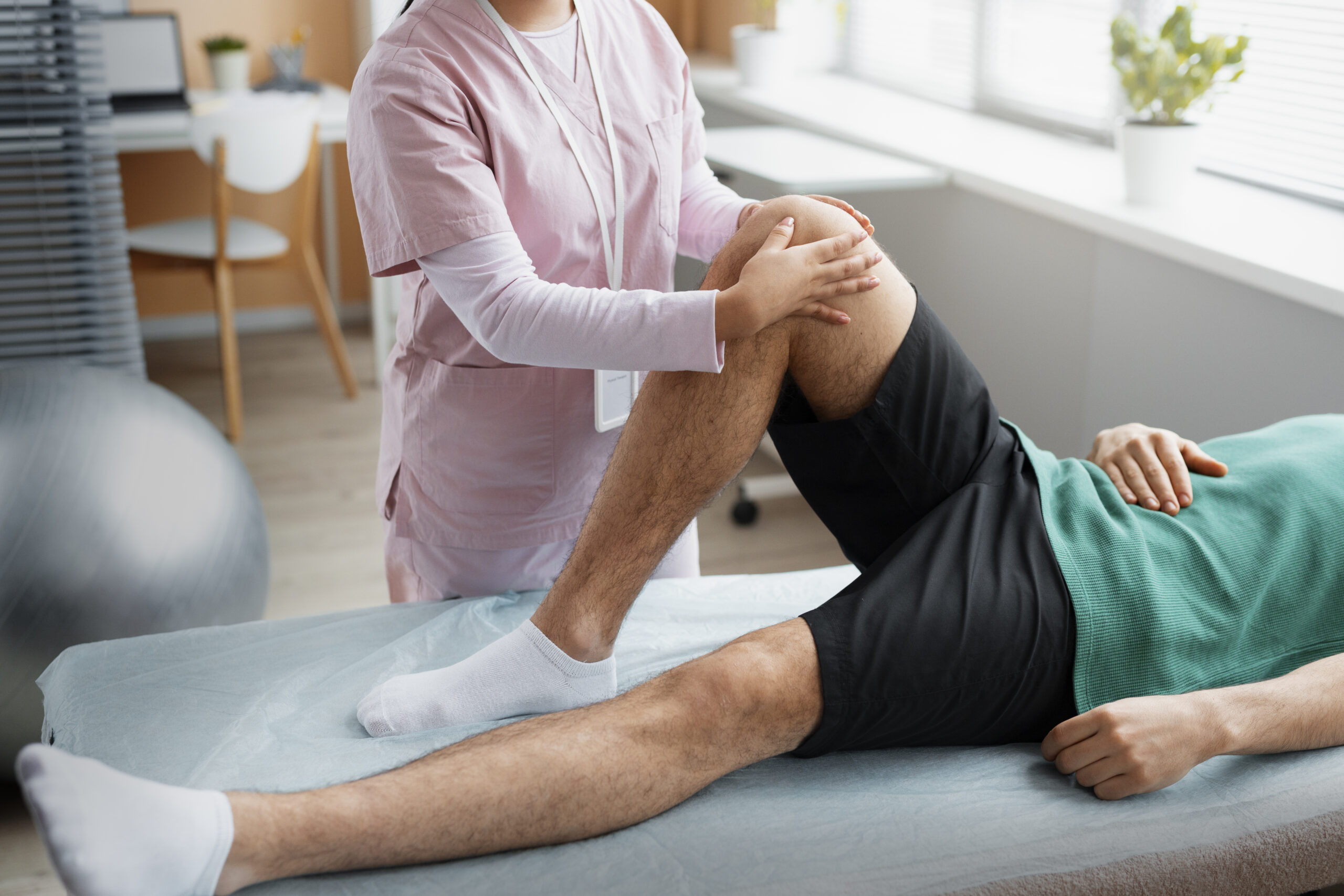
AI Rehab has been designed to support the growing need for accessible, at-home rehabilitation solutions. By combining smart technology with clinical rehabilitation principles, the platform helps improve patient engagement, reduce reliance on in-person appointments, and give care teams clearer insight into recovery.
• For patients: Guided exercises and interactive games make home rehabilitation easier to follow and more engaging.
• For clinicians: Recorded exercise participation and progress trends provide supplementary information for review between appointments.
• For healthcare providers: The platform offers a scalable way to complement existing rehabilitation pathways without replacing necessary clinical assessment.
• For patients: Guided exercises and interactive games make home rehabilitation easier to follow and more engaging.
• For clinicians: Recorded exercise participation and progress trends provide supplementary information for review between appointments.
• For healthcare providers: The platform offers a scalable way to complement existing rehabilitation pathways without replacing necessary clinical assessment.
Interested in the future of rehabilitation?
AI Rehab is developing technology to make rehabilitation smarter, more engaging, and easier to monitor from home. Get in touch to learn more about our platform, our vision, and the opportunity to support the next generation of digital rehabilitation.
Contact Us

Meeting a growing demand in digital rehabilitation
Healthcare systems are under increasing pressure to deliver better outcomes while managing capacity, cost, and patient access. Musculoskeletal conditions, knee arthritis, and post-surgical rehabilitation create a significant and growing need for scalable solutions that can support patients outside traditional clinical settings.
AI Rehab is positioned to meet this demand by combining remote monitoring, patient engagement, and rehabilitation technology into one connected platform.
Our aim is to help improve recovery experiences, support clinical decision-making, and create a more efficient model for rehabilitation delivery.
AI Rehab is positioned to meet this demand by combining remote monitoring, patient engagement, and rehabilitation technology into one connected platform.
Our aim is to help improve recovery experiences, support clinical decision-making, and create a more efficient model for rehabilitation delivery.
Interested in the future of rehabilitation?
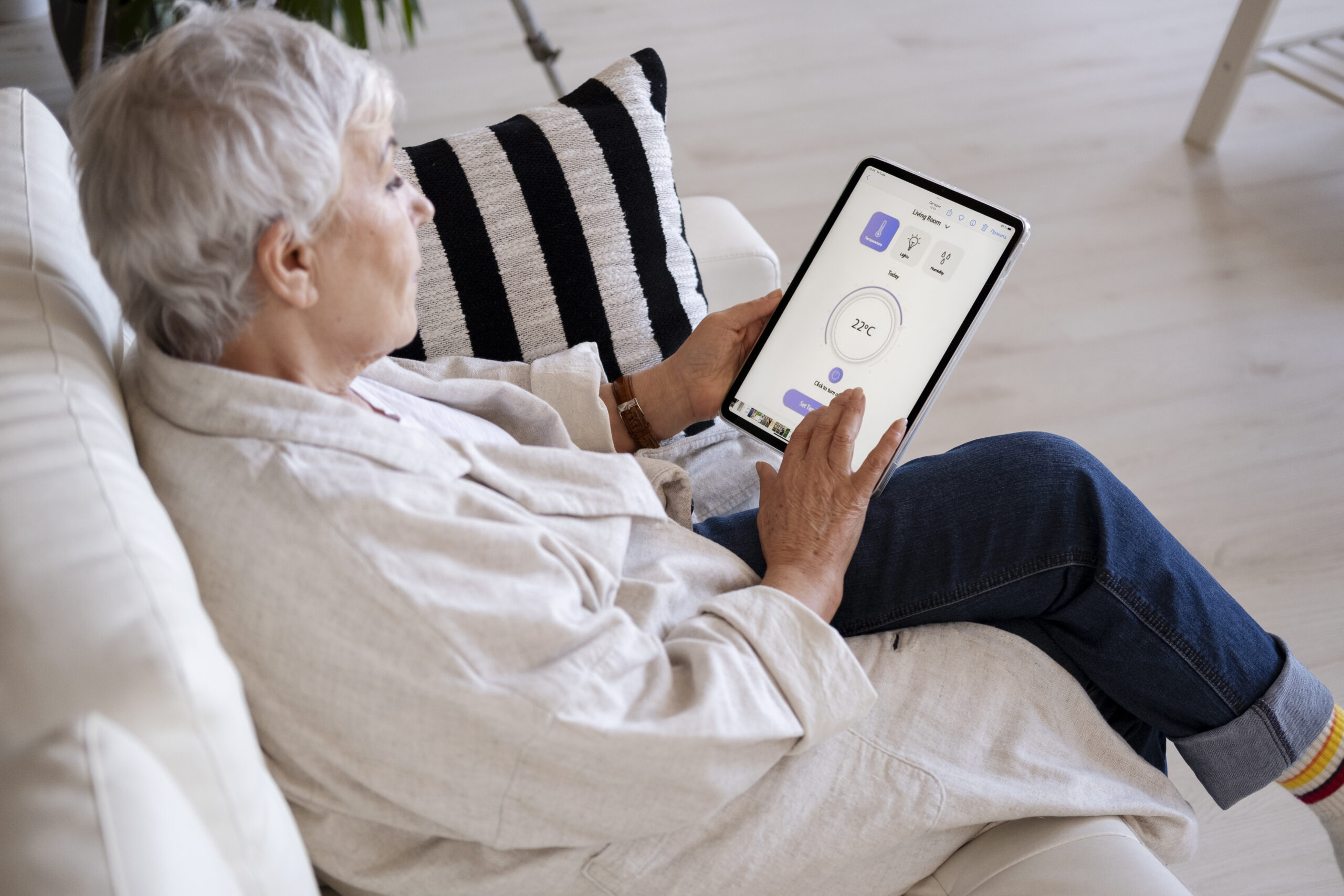
AI Rehab is developing technology to make rehabilitation smarter, more engaging, and easier to monitor from home. Get in touch to learn more about our platform, our vision, and the opportunity to support the next generation of digital rehabilitation.